
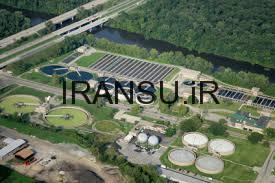
برای جدا کردن تکههای جامد بزرگ، فاضلاب را از صافی رد میکنند، این مواد در محل دفن زبالهها دور ریخته میشوند. فاضلاب به مخزن تهنشینی هدایت میشود تا ذرات کوچک نیز تهنشین شوند.
این مواد تهنشین شده، لجن فعال نامیده میشوند. سپس مایع سرریز وارد فیلتر percolate و/یا هوادهی میگردد. آب میتواند دوباره فیلتر شود، و سپس ضدعفونی گردد (در اکثر موارد با استفاده از کلر). اگر مورد دیگری وجود نداشته باشد، آب به طبیعت و چرخه زیست محیطی برگردانده میشود.
لجن حذف شده از مرحلهی تهنشینی از مواد بیولوژیکی زنده تشکیل شده است. بخشی از آن را میتوان به مخزن هوادهی برگرداند، اما لجن خام توسط دو نوع میکروارگانیسم هضم میشود. از باکتریهای بیهوازی (بدون اکسیژن) و هوازی (با هوا) برای هضم استفاده میگردد. در مرحله هضم، گازهای دی اکسید کربن، آمونیاک، متان تولید میشوند. حجم لجن هضم شده کاهش مییابد، و میتوان از آن بهعنوان یک کود مکمل در کشاورزی استفاده نمود.
Separate large pieces of solid waste from filter reject the material dumped in a landfill. Sewage tank led to the deposition of small particles are deposited. This material is deposited, also called activated sludge. The overflow liquid percolate into the filter and / or aeration is. Water can be filtered again, and then disinfected (in most cases using chlorine). If there is not another case, the water is returned to nature and ecological cycles.
Sludge removed from the stage of deposition of biological material is made alive. Part of it may be returned to the aeration tank, the raw sludge is digested by two types of microorganisms. Of bacteria in anaerobic (without oxygen) and aerobic (with air) is used for digestion. During digestion, gas, carbon dioxide, ammonia, methane produced. Digested sludge volume is reduced, and it can be used in agriculture as a fertilizer supplement.
